
Supreme Court Expands Presidential Authority by Allowing Removal of FTC Commissioners
The U.S. Supreme Court has ruled that the President has the constitutional authority to remove Federal Trade Commission commissioners without needing to prove misconduct or neglect. The landmark decision overturns a legal precedent that had protected the independence of the FTC for more than 90 years and is expected to reshape the balance of power between Congress and the executive branch.
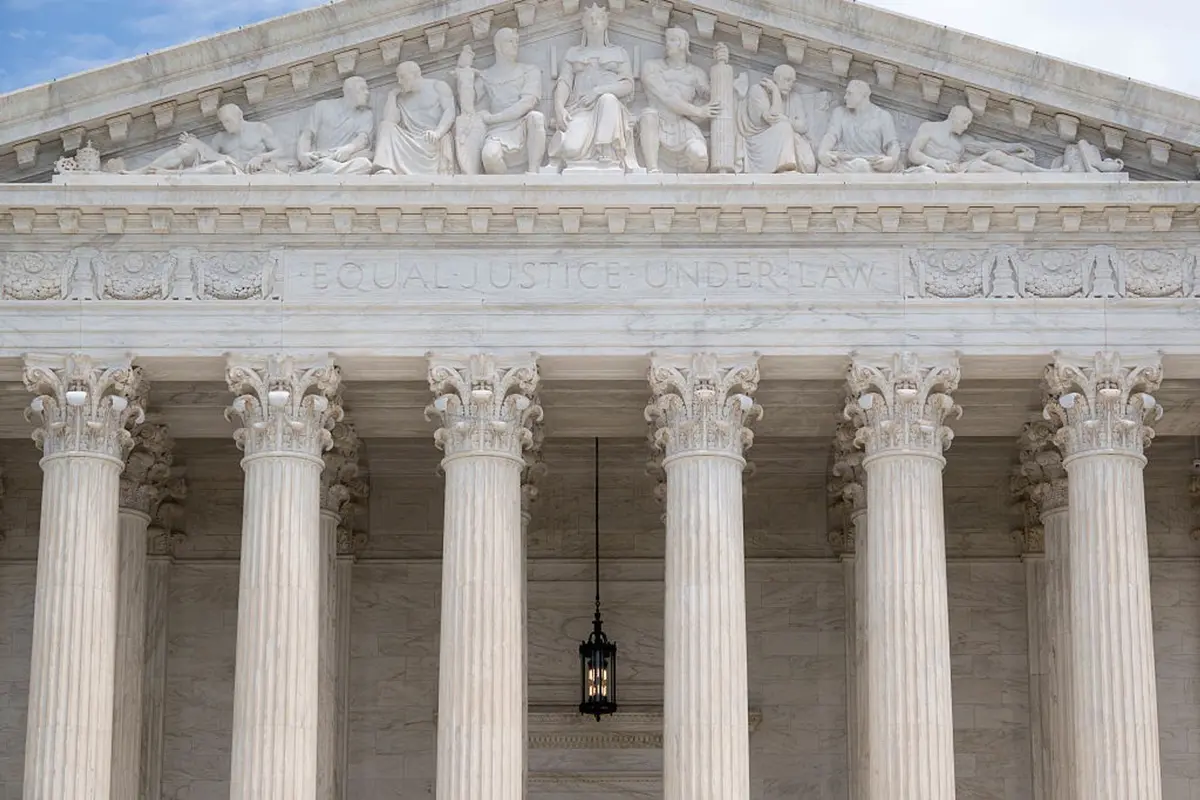
Supreme Court Gives President Greater Control Over the Federal Trade Commission
In one of the most consequential constitutional rulings in decades, the United States Supreme Court has determined that the President has the authority to remove members of the Federal Trade Commission (FTC) without being limited by federal protections that previously required specific legal grounds for dismissal.
The 6-3 decision overturns the Court’s 1935 ruling in Humphrey’s Executor v. United States, ending nearly a century of precedent that allowed FTC commissioners to operate with significant independence from the White House.
Why the Decision Matters
The ruling significantly strengthens presidential control over executive agencies and is widely viewed as a major endorsement of the constitutional theory known as the “unitary executive.”
Supporters argue that executive officials who enforce federal law should remain accountable to the President, who is elected by the American people and responsible for carrying out the nation’s laws.
Critics, however, warn that the decision could reduce the political independence of agencies created to regulate commerce, consumer protection, energy, workplace oversight, and other key sectors.
The Background
The legal dispute began after FTC Commissioner Rebecca Slaughter challenged her removal from the commission.
Federal law had long stated that FTC commissioners could only be removed for reasons such as inefficiency, neglect of duty, or misconduct. The President dismissed Slaughter without relying on those statutory standards, leading to a legal battle that ultimately reached the Supreme Court.
The Court concluded that because today’s FTC exercises substantial executive authority—including investigations, enforcement actions, and litigation—its commissioners must remain subject to presidential removal.
Majority Opinion
Writing for the majority, Chief Justice John Roberts explained that the Constitution places executive power in the hands of the President. According to the Court, officials responsible for executing federal law must ultimately answer to the President, who must have the authority to remove subordinates when necessary.
The majority also concluded that the historical reasoning behind the Court’s earlier decision no longer reflects the modern role of the FTC, whose responsibilities have expanded far beyond those originally considered in 1935.
Dissent Raises Concerns
The three dissenting justices argued that the ruling fundamentally changes the structure of the federal government.
They warned that independent commissions were intentionally designed by Congress to operate with some insulation from political influence. According to the dissent, allowing presidents to remove commissioners at will risks concentrating too much authority within the executive branch and could weaken the independence of numerous regulatory agencies.